Crawlspace Encapsulation vs Vapor Barrier: What Is the Difference?

You got two quotes for the same crawlspace. One says vapor barrier. The other says encapsulation. The prices are thousands apart and nobody explained why.
That Crawlspace Encapsulation vs Vapis a frustrating spot to be in. So here is the plain version of crawlspace encapsulation vs vapor barrier, what each one does, and how to tell which one your home needs.
What a Vapor Barrier Is
A vapor barrier is a sheet of plastic laid over the dirt floor of your crawlspace.
Bare dirt gives off moisture. Even when the ground looks dry, water vapor moves up out of it and into the air under your house. The plastic sits between the dirt and that air and blocks most of it.
Most vapor barriers are 6 to 12 mil plastic. The installer covers the ground, overlaps the seams, and usually runs the plastic a short way up the foundation wall.
It is the simpler of the two jobs and it costs less.

What Crawlspace Encapsulation Is
Encapsulation starts with the same idea and keeps going.
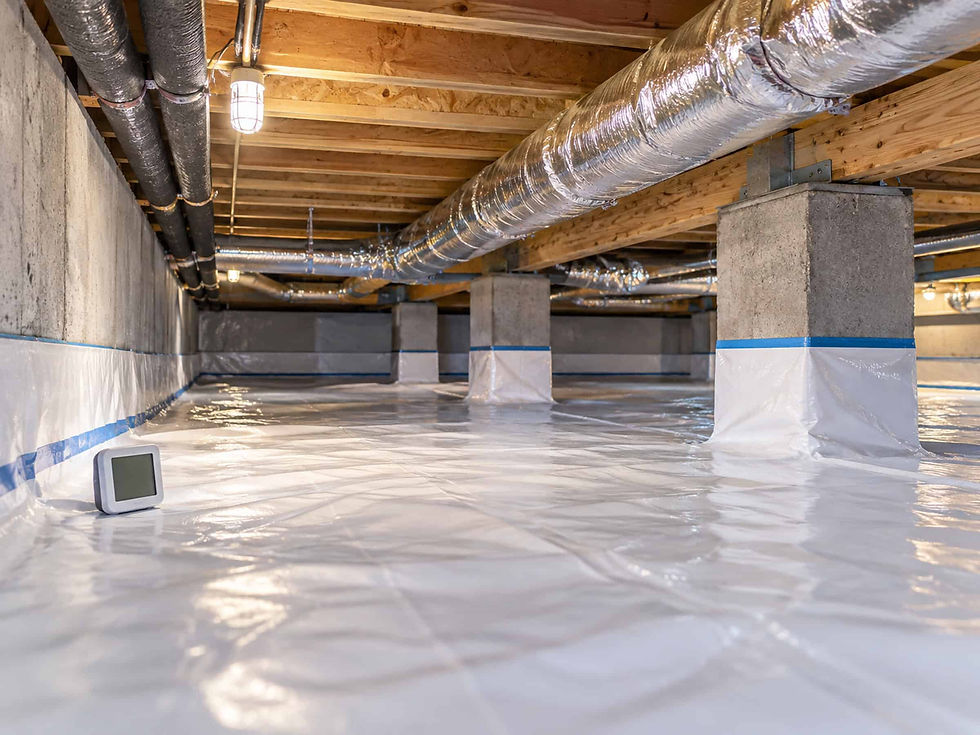
Instead of covering only the ground, the crew runs a heavier liner across the floor and all the way up the walls. Then they seal every seam and seal the liner against the foundation. They close off the vents too.
Most encapsulation jobs include a dehumidifier. Some include a sump pump or drainage if water gets in after a storm.
When the work is done, your crawlspace is closed off from the dirt and from the outside air.
Crawlspace Encapsulation vs Vapor Barrier: The Short Answer
A vapor barrier blocks moisture coming up from the ground.
Encapsulation blocks that moisture and the moisture coming in through your vents.
That second part is the one most homeowners never think about. Those foundation vents were supposed to dry the crawlspace out. In a humid Missouri summer they do the opposite. Warm, wet air comes in through the vents, hits the cooler surfaces under your house, and turns into water on the wood.
You end up with damp framing, a musty smell in the house, and good conditions for mold. That can happen even with plastic on the ground.
So a vapor barrier by itself can leave you with a crawlspace that still smells and still reads high on a humidity meter.
Which One Does Your Home Need?
It depends on what is actually going on under there.
A vapor barrier is often enough when:
The crawlspace is dry and stays dry
No water shows up after heavy rain
Humidity stays reasonable through the summer
You do not smell anything in the house
Encapsulation is usually the better call when:
You smell must in the house, especially after it rains
Your floors feel soft, cold, or uneven
You have seen mold, rot, or insects under the house
Water shows up in the crawlspace after a storm
Your energy bills went up and nothing else changed
If a few of those sound familiar, your crawlspace is telling you something. We went into more detail on what those signs mean in Signs Your Missouri Home Needs a Crawlspace Dehumidifier.
Is a Vapor Barrier Ever the Right Choice?
Yes. Not every house needs the full job.
Some crawlspaces are dry, drain well, and just need the ground covered. Paying for encapsulation on a crawlspace like that is money you did not need to spend.
The honest answer is that nobody can tell you over the phone. Two houses on the same street in Lebanon can need different things depending on grade, drainage, and how the crawlspace was built.
Get a Free Inspection
Choosing between a vapor barrier and encapsulation is hard to do off a quote sheet. The two jobs sound similar on paper and the prices are not close.
When we come out, we check the moisture level in the wood and look at the grade around your foundation. We check the vents and look for rot, mold, and pest damage. Then we tell you what we found and what it would take to fix. If a vapor barrier handles it, that is what we will tell you.
We work with homeowners across Lebanon, Camdenton, Osage Beach, Rolla, Springfield, Dexter, Poplar Bluff, and surrounding areas in Missouri and Northeast Arkansas.
Call us at 1-417-650-6052 or email advancedcs417@gmail.com to schedule your free inspection today.


Comments